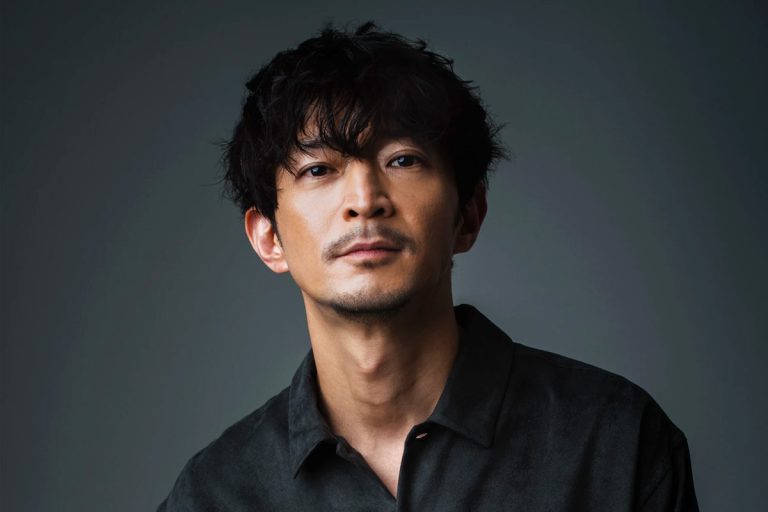
The debate over the ethical use of artificial intelligence in the entertainment industry has reached a new legal battleground. Kenjiro Tsuda, the legendary Japanese voice actor globally known for voicing iconic characters like Seto Kaiba in Yu-Gi-Oh!, Kento Nanami in Jujutsu Kaisen, and Overhaul in My Hero Academia, has filed a lawsuit against the social media giant TikTok over the alleged unauthorized use of an AI-generated clone of his voice.
The lawsuit, officially filed with the Tokyo District Court in November 2025 but only recently made public, marks a significant escalation in the fight to protect voice actors’ rights in the age of generative AI.
The Allegations: Deepfakes for Profit
According to Kenjiro Tsuda’s legal team, a single account on TikTok’s platform uploaded approximately 188 videos featuring an “AI-slop” recreation of the actor’s distinct, deep voice. These videos, which reportedly began appearing in July 2024, were far from harmless fan projects, they were highly lucrative.
Legal documents estimate that the AI deepfakes generated a monthly revenue of ¥500,000 to ¥750,000 (roughly $3,100 to $4,700). Kenjiro Tsuda’s legal representatives argue that the creator of the account unfairly profited off the recognizable tone and cadence that Tsuda has spent decades perfecting in the anime and dubbing industries.
The Legal Grounds: Japan’s Unfair Competition Law
The lawsuit hinges on Japan’s Unfair Competition Prevention Law. Specifically, Kenjiro Tsuda’s team is invoking Article 2.1, which prohibits any action that “causes confusion with another person’s goods or business”. Because voice acting is the core of Tsuda’s business and brand identity, his lawyers are arguing that an unauthorized AI clone directly infringes on his commercial livelihood.
In a statement provided to The Yomiuri Shimbun, Kenjiro Tsuda’s lawyers made the broader stakes of the case clear:
“If unauthorized voice generation via AI is left unchecked, it could hinder the development of the voice acting industry. Through winning this lawsuit, we hope to clarify the scope of what would constitute a violation of law and support voice actors in exercising their rights.”
TikTok’s Defense: The “Tsuya Tsuya” Voice
The operator of TikTok’s Japanese subsidiary has pushed back against the allegations. According to the platform, the voice in question is not an intentional, unauthorized clone of Kenjiro Tsuda, but rather a “generic male voice” available on the app.
TikTok claims that the platform’s user base simply dubbed this specific AI audio filter the “tsuya tsuya” (glossy or silky) voice, independent of Tsuda’s identity. In their brief public response, TikTok’s Japanese operator stated, “We have been responding appropriately within the context of the lawsuit and will refrain from making any comment.”
What This Means for the Anime Industry
As AI technology becomes more sophisticated and accessible, the voice acting industry faces an existential crisis. Kenjiro Tsuda’s lawsuit is one of the first major legal tests in Japan regarding how current competition and copyright laws apply to AI voice replication.
The first public argument for the case is expected to take place within the next three months. The outcome will likely set a massive legal precedent, not just for anime voice actors in Japan, but for digital creators and performers worldwide who are fighting to maintain ownership of their own voices.
What do you think about this lawsuit?
Is Kenjiro Tsuda taking it too far or does he deserve a part of the $3,100 – $4,700 profits made from his voice?