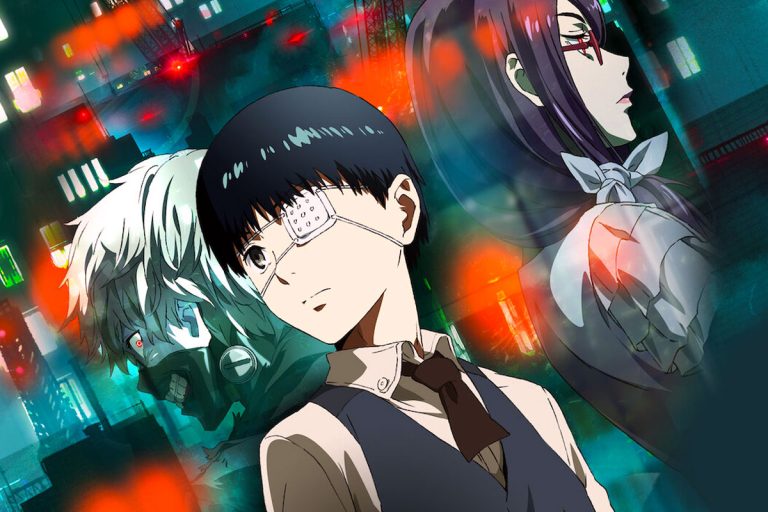
If you ask the anime community for a list of the worst adaptations of all time, Tokyo Ghoul anime will almost always be in the top three.
This is incredibly frustrating because Sui Ishida’s original Tokyo Ghoul manga is a modern psychological masterpiece. It is a brilliant, tightly written tragedy packed with deep character studies, complex factions, and heavy symbolism. Yet, the anime adaptation managed to take that masterclass in storytelling and turn it into a confusing, edgy action show that completely falls apart by its second season.
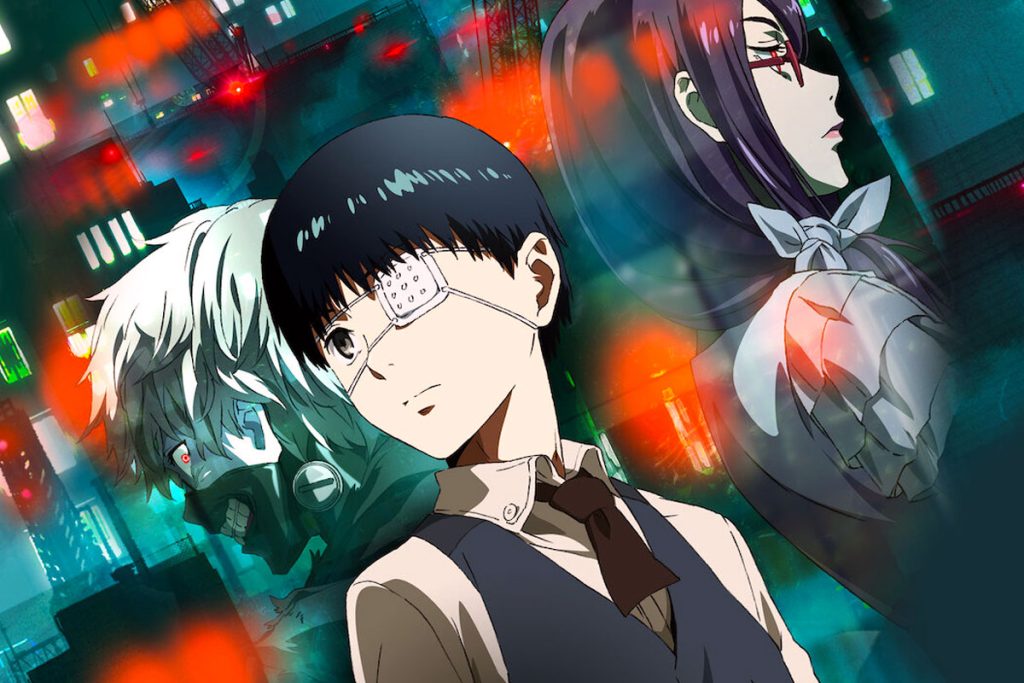
If you have only ever watched the Tokyo Ghoul anime, you do not actually know the story of Ken Kaneki. Here is a breakdown of why the manga is a different and superior experience.
The Plot Divergence: Tokyo Ghoul Root A
The first season of the anime, produced by Studio Pierrot, was actually decent. It rushed through a lot of world-building, but it managed to hit the major plot points and ended on that iconic, beautifully animated torture sequence with Jason.
The disaster happened in Season 2, titled Tokyo Ghoul √A (Root A).
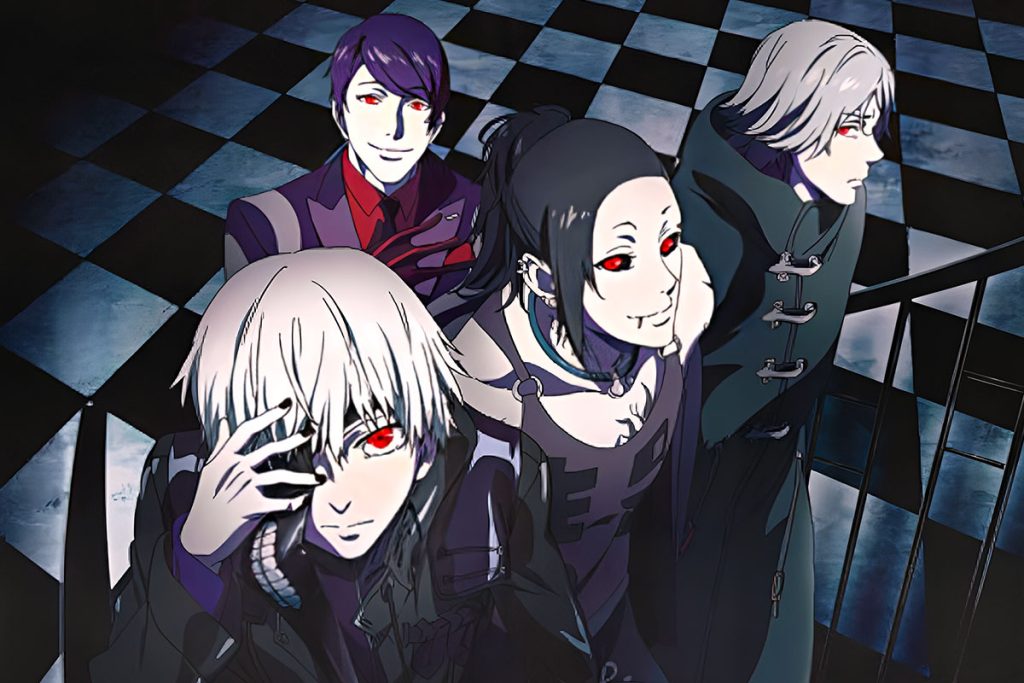
In the manga, after Kaneki is tortured and accepts his ghoul side, he breaks out and forms his own independent faction. His goal is to dismantle Aogiri Tree (the extremist ghoul organization) and protect his friends at Anteiku. It is a logical progression for a character who refuses to be a victim anymore.
The anime completely threw this away. In Root A, Kaneki inexplicably decides to join Aogiri Tree, the exact same terrorist group that just brutally tortured him. This decision destroyed the narrative logic of the story. By removing Kaneki’s independent faction, the anime had to erase crucial character arcs, skip massive gang wars, and ignore the complex political tension between ghoul investigators and ghouls.
The Confusion: Tokyo Ghoul:re
Because Root A went totally off-script, it created a structural problem for the third season, Tokyo Ghoul:re.
Instead of continuing the alternate timeline they created, Studio Pierrot decided to adapt the Tokyo Ghoul:re manga directly. The problem? The manga version of :re relies entirely on plot points, characters, and surviving cast members that the anime either killed off or never introduced in Root A.
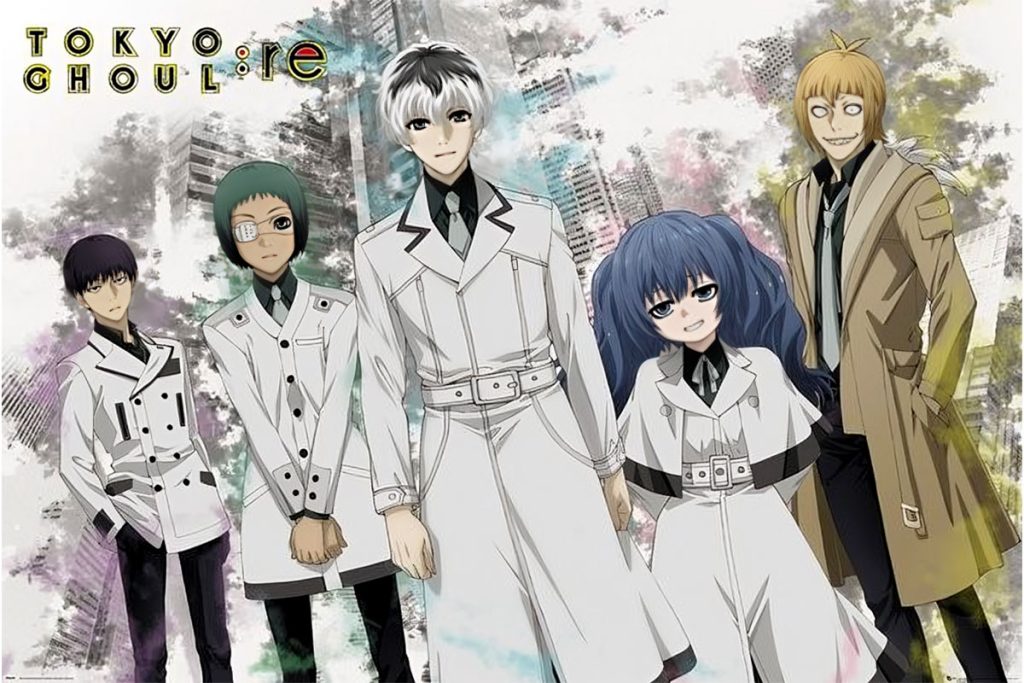
Anime-only watchers were completely lost. Characters who were dead in the anime suddenly showed up alive. Entire motivations made zero sense. The studio assumed the audience had read the manga to fill in the plot holes the anime itself created.
Tokyo Ghoul’s Psychological Depth vs Edgy Action
Sui Ishida did not write Tokyo Ghoul as a standard battle shonen. The fights are secondary to the psychological breakdown of the characters.
The manga spends dozens of chapters inside Kaneki’s head. You read his internal monologues, watch his mental state fracture, and understand exactly why he makes the brutal, often tragic decisions that he does. You see the deep traumas between the human investigators and the ghouls they hunt.
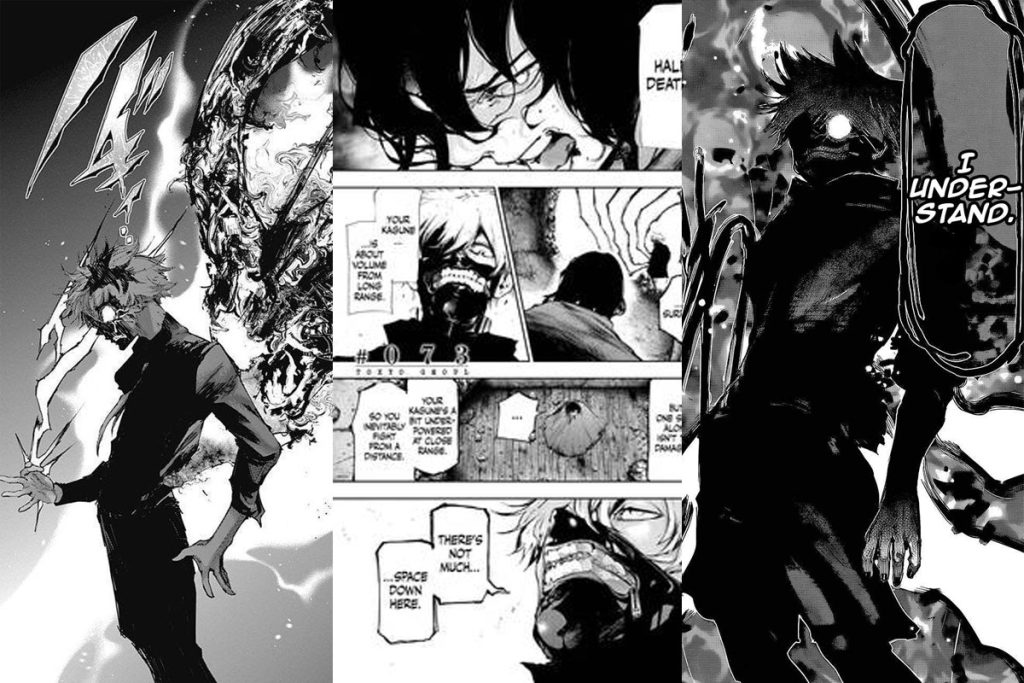
The anime stripped almost all of this psychological depth away in favour of fast-paced action sequences and edgy soundtracks. Kaneki was reduced from a deeply complex, traumatized protagonist to a silent, brooding edge-lord who just walks around looking sad while cool music plays.
The Art and Symbolism of Sui Ishida’s Work
Finally, the visual experience of reading Sui Ishida’s art cannot be replicated. Ishida uses a highly sketchy, chaotic, and almost water-colour-like art style that perfectly mirrors Kaneki’s descending mental state.
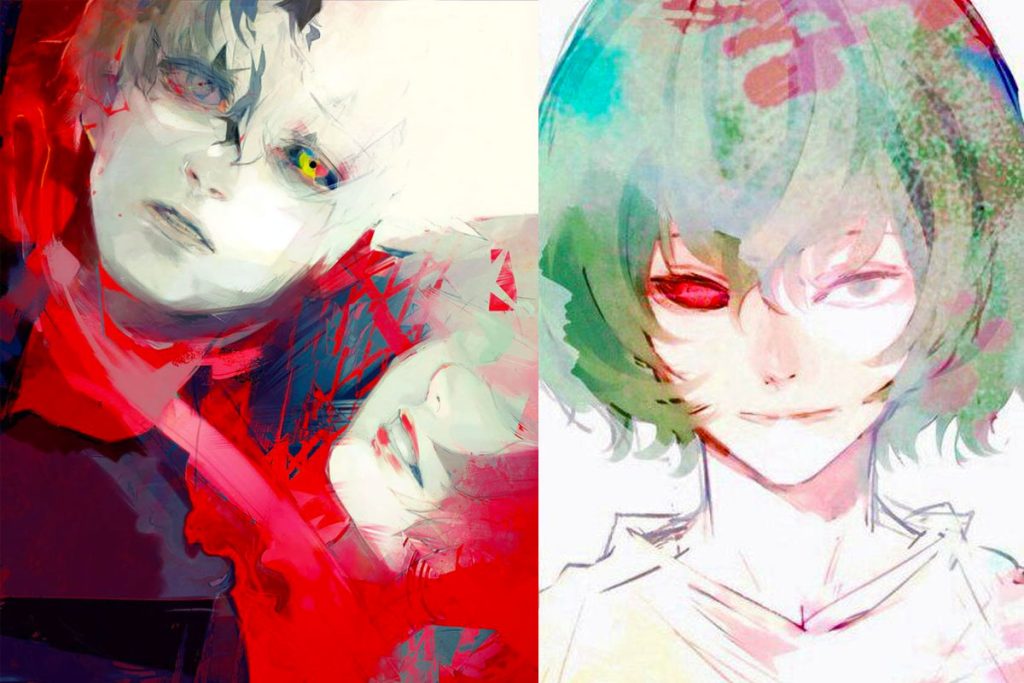
As the story gets darker, the panel layouts become more fractured and frantic. Furthermore, Ishida hides incredible foreshadowing in his art, constantly using hidden Tarot card numbers and specific flower species (like the Red Spider Lily) to signal character deaths or betrayals chapters in advance. The anime completely missed this nuanced visual language.
Final Thoughts on Tokyo Ghoul Anime and Manga
Watching the Tokyo Ghoul anime is like reading the summary of a book that has half of its pages ripped out. If you dropped the anime because it became too confusing, or if you loved the first season but hated where it went, you owe it to yourself to read the manga. It is a complete, logically sound, and devastatingly beautiful story that actually respects its characters. Start from chapter one, forget everything the anime told you, and experience the real tragedy of Ken Kaneki.
If you’re in Nigeria, you can get the hardcopy of Tokyo Ghoul’s Manga from Roving Heights, a popular bookstore based in Nigeria.
Link to buy in Nigeria: Tokyo Ghoul Vol 1
Link to buy in Nigeria: Tokyo Ghoul Vol 2