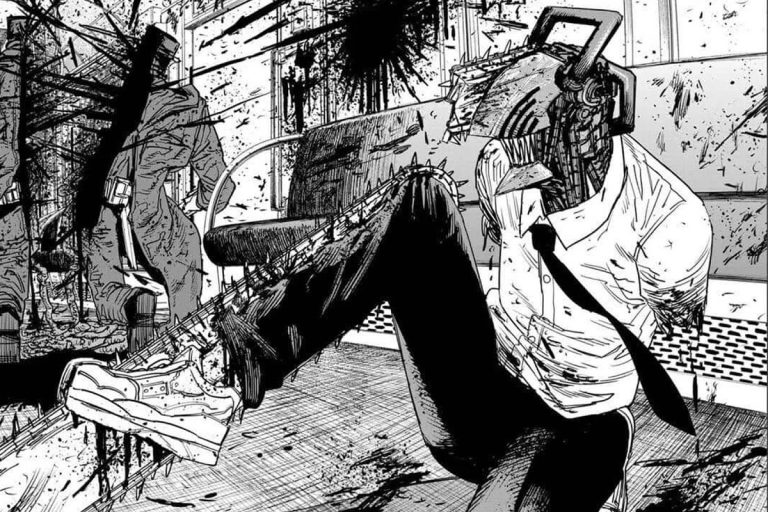
Tatsuki Fujimoto is not your average manga artist. When you read his work, you are not just consuming a typical weekly action story; you are strapping into a rollercoaster built by a creator who loves movies just as much as he loves drawing. He has completely flipped the manga industry upside down. If you want to understand why his stories resonate so deeply with fans worldwide, you need to look past the blood and guts to see the absolute genius underneath.
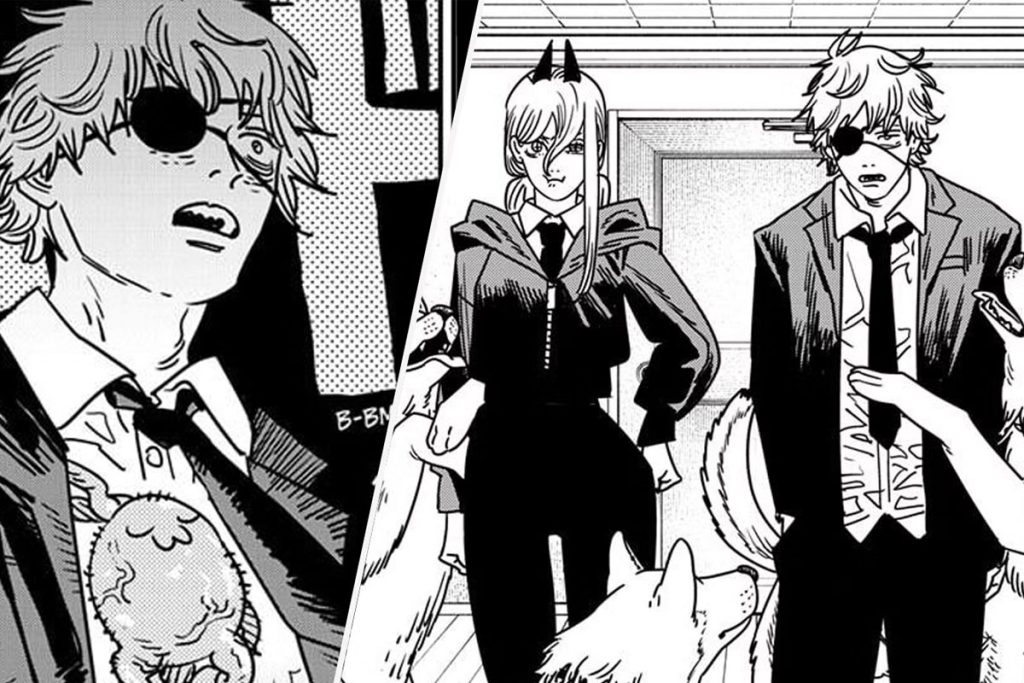
A Deep Love for Cinema
One of the most defining traits of any Tatsuki Fujimoto manga is its cinematic framing. Fujimoto is a massive film buff. He famously watched hundreds of movies during his formative years, and that obsession bleeds directly into his paneling.
- Wide Angles and Slow Pacing: Unlike traditional action manga that pack pages with speed lines and massive explosions, Fujimoto frequently uses wide, silent panels. He lets the camera linger on character expressions or empty rooms to build incredible tension.
- Direct Movie References: His love for film is incredibly obvious. The opening credits of the Chainsaw Man anime beautifully highlighted this by recreating iconic scenes from western films like Pulp Fiction, The Big Lebowski, and The Texas Chain Saw Massacre.
- Realism in Dialogue: His characters talk like real people. They stutter, they change the subject awkwardly, and they have completely mundane conversations while horrifying things happen right in front of them.
The Organized Chaos of Fire Punch and Chainsaw Man
Before he became known globally as the Chainsaw Man creator, Fujimoto debuted with Fire Punch. This series was a bleak, unapologetic, and completely wild ride. It established his signature style of mixing dark comedy with devastating emotional tragedy.
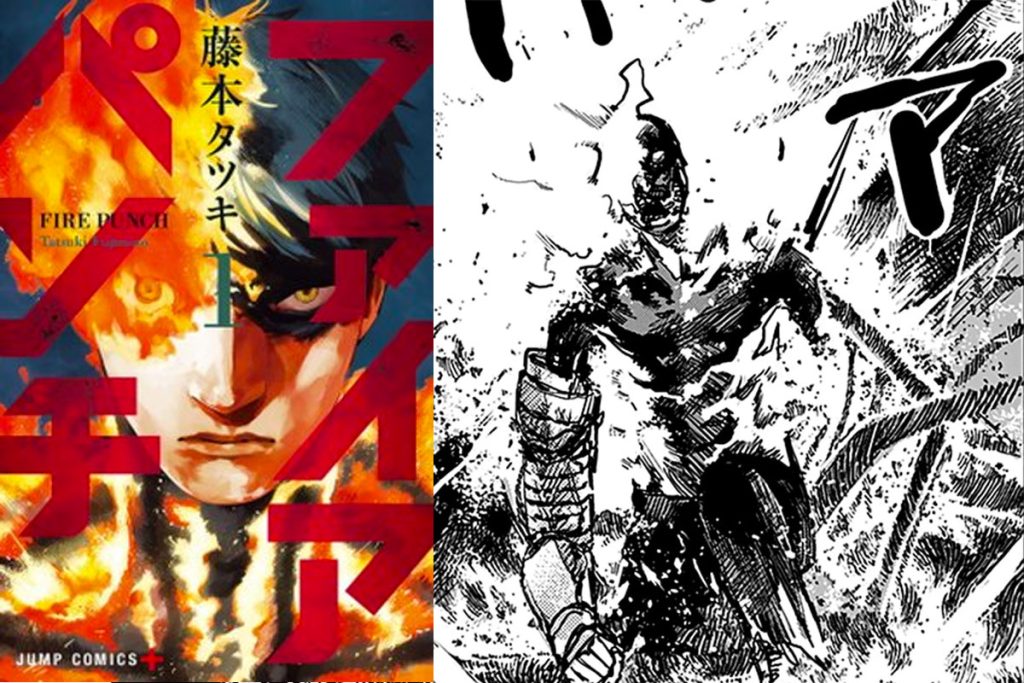
Agni, the protagonist of Fire Punch, is set ablaze with magical flames that will not extinguish until their target turns to ash. However, his healing factor prevents him from dying. It is a brutal story about suffering and revenge that immediately told readers this author pulls no punches.
When he moved on to Chainsaw Man, he refined this chaos. According to Anime News Network, the series has circulated over ten million copies globally, proving that readers crave this exact brand of unpredictable storytelling.
- Subverting Expectations: Fujimoto hates predictability. Whenever you think a storyline is heading toward a standard hero moment, he drops a massive plot twist. Characters you love might die abruptly, and victories often feel hollow or traumatizing.
- Relatable Motivations: Traditional protagonists usually want to become the greatest hero in the world or save the universe. Denji just wants three square meals a day, a warm bed, and a girlfriend. This grounds the crazy story in harsh reality.
- Humour as a Shield: The world Denji lives in is incredibly depressing. To balance this out, Fujimoto injects absurd humour. Denji fighting horrifying devils just so he can eat toast with jam is both hilarious and deeply sad.
Dominating the Short Story Format
While his serialized work is phenomenal, many fans argue that his standalone stories are his true masterpieces. Fujimoto uses these short books to experiment with deeply personal themes like grief, the creative process, and the passage of time.
- Look Back: This story follows two young girls who bond over drawing manga. It is a heartbreaking exploration of survivor’s guilt, dedication to the craft, and the ways art connects us across time.
- Goodbye Eri: Here, Fujimoto blurs the line between reality and fiction. The protagonist films his life through a smartphone camera, forcing the reader to constantly question what is real and what is just a movie playing out on the page.
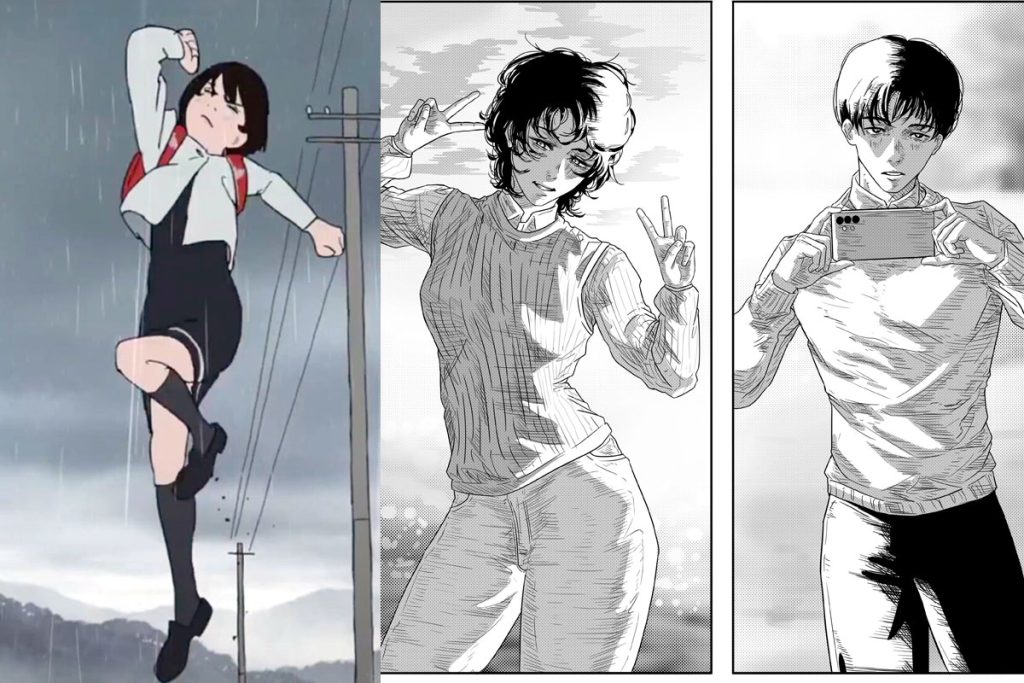
These standalone stories prove that he does not need chainsaws or devils to make you cry. He just needs a few quiet panels and incredibly expressive character acting.
The Fujimoto Coaching Tree
It is impossible to talk about his impact without mentioning the incredible talent he has fostered. His workspace is legendary for producing some of the biggest names in modern manga. Several of his former assistants have gone on to create their own massive hits.
- Tatsuya Endo: The creator of the wholesome and hilarious Spy x Family previously worked as an assistant under Fujimoto.
- Yuji Kaku: The mastermind behind the dark fantasy Hell’s Paradise also honed his craft in the very same studio.
- Yukinobu Tatsu: The artist and writer of the supernatural hit Dandadan learned directly from working alongside him.
This coaching tree demonstrates his profound understanding of pacing, illustration, and work ethic. He not only creates brilliant art himself but also elevates the artists around him.
The Legacy of a Modern Master
Tatsuki Fujimoto has forever changed the landscape of weekly comic publishing. He brought an indie, experimental energy to the mainstream market. He respects his audience enough to give them challenging, weird, and highly emotional stories that stick with you long after you close the book. Whether he is drawing a teenager with chainsaws coming out of his head or a quiet drama about aspiring artists, he always delivers an unforgettable experience.
Here at Anime Nigeria, we are constantly tracking the latest updates on his upcoming projects; you can always check out our dedicated manga section to see what else we are currently reading and reviewing.
What is your favourite work by Tatsuki Fujimoto? Do you prefer the chaotic action of Chainsaw Man or the emotional depth of his shorter stories? Let us know down in the comments below, and please share this article with your fellow manga readers!